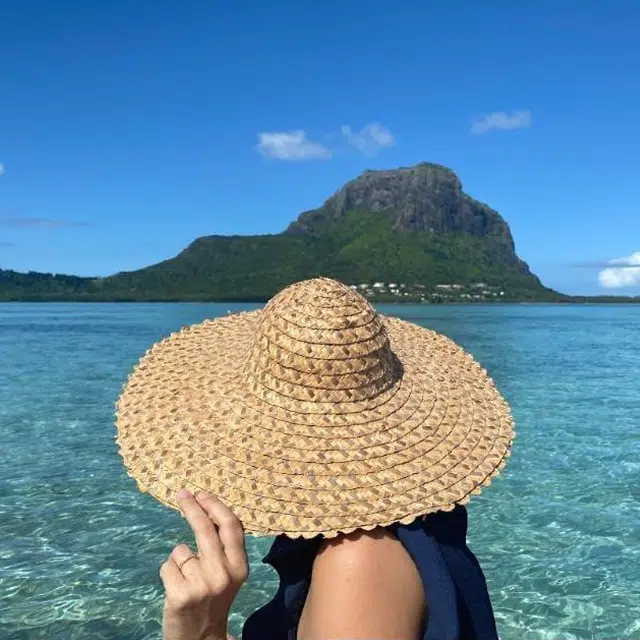
South Mauritius: what to visit, where to stay
South Mauritius is worth visiting for its rawer landscapes, its easy roads and stops that sit close together between mountain, lagoon and heritage. You find fewer postcard views here than in other areas, but more of a local feel, and you can build a full, well-paced day without wasting time between sites. This article covers what to prioritize, how to plan the southwest in the right order, where to stay for your travel style and what to keep in mind for the sea, the weather and the drives.
A day in the southwest, from Le Morne Brabant to Chamarel
Le Morne Brabant first, then Chamarel and the gorges: we organize this excursion in the right order. Write to us on WhatsApp with your dates, the number of people and your hotel.

Why this area is so popular
South Mauritius is popular because it offers a wilder landscape than the rest of the island and days that are simpler to organize. You give up the idea of “seeing everything,” but your days hold together better, especially if you like to alternate road, viewpoints, heritage and breaks by the sea.
The south is for you if you like linking real stops without rushing around. It will appeal less if your priority is a perfect beach from start to finish.
South Mauritius at a glance
- 🌋 The south mostly suits travelers who want wilder scenery and more structured days than a classic beach stay.
- 🚗 The southwest is best visited by grouping Le Morne, Chamarel and Black River Gorges National Park in the same area.
- 🌊 For the sea, the May to November period often brings steadier conditions and a more manageable swell.
- 🏨 The south has more than 300 hotels and other lodgings, with very different bases depending on whether you aim for Mahébourg, Blue Bay, Bel Ombre or Le Morne.
- 🧭 Morning remains the best time to walk, visit a market or link stops before the midday heat.
North, west or south: which side to choose?
The right side depends mostly on your pace and what you expect from your days. The west has most of the departures for open water in Mauritius, while the east has a more limited offering around Belle Mare and Trou d’Eau Douce, with Flacq as the shopping stop.
| Area | What it favors | Best for |
|---|---|---|
| South | Dramatic terrain, heritage, wilder scenery | Active travelers, couples, fans of scenic drives |
| West | Boat departures, a more family-friendly stay | Families and travelers who want to link beach and boat |
| North | Lively area around Grand Baie | Travelers who want more services and nightlife |
| East | Belle Mare, lagoons and a calmer pace | Travelers who are fine with fewer options |
If you mainly want variety in a single day, the south is the most interesting. If you want a base geared toward boat trips, the west is probably a better fit.
The right order for visiting the southwest

The southwest is best visited in three steps, with Le Morne as the anchor, then the heights of Chamarel and finally the gorges. This order avoids back-and-forth and lost time.
Le Morne Brabant: the landmark to put first
Le Morne Brabant anchors the whole southwest, since this 556-meter mountain above the Indian Ocean serves as a visual landmark and a logical starting point. It is also the stop that sets the tone for the area right away, with its terrain, history and an open view over the lagoon.
Chamarel and the gorges: the simplest sequence
After Le Morne, Chamarel and the gorges follow naturally if you keep the day flowing. The area is best visited by staying focused on the same zone, rather than adding detours that break the rhythm.
End of the day: back to the coast or a nature break
The south lends itself very well to nature activities, but you need to judge your level and the right time of day. The hikes at Le Morne or toward the gorges call for good shoes and an early start, while the calm lagoons suit quiet wildlife watching better.
- Finish with a quiet break if you want to keep the day light.
- Head back early if you hiked in the morning and visited several sites.
- Save the coast for the end of the day if you are already staying in the southwest.
For the sea, aim for the periods when the water is calmer if you want to see turtles or enjoy a more peaceful lagoon. If you want a more active program, the south combines well with a hike, a park visit and a coastal boat trip on the same day.
JC’s tip
If you start after 10 AM, you hit the hottest time of day for walking at Le Morne. I recommend leaving even earlier in the morning for a more pleasant hike. The descent is sometimes harder than the climb, so there is no point making it harder with high temperatures and crowds.
Natural sites not to miss

Three very different kinds of stops fit within a few kilometers: a dramatic landform, a sheltered lagoon depending on the area, and a park made for families. You can choose without scattering your day.
Le Morne Brabant, the iconic mountain
Le Morne Brabant is worth the stop for its silhouette and for the view it gives over the whole southwest. The view from the top is spectacular, but the end of the route has steep, technical sections, so it mostly suits confident hikers.
La Vanille Réserve des Mascareignes
La Vanille Réserve des Mascareignes, a few kilometers from Souillac, suits a quieter half day. The park is home to many species of reptiles and plants, and its restaurant also lets you taste crocodile meat.
- An easy visit to combine with the south coast.
- A draw for reptile and plant lovers.
- A pace that works if you travel with children.
Blue Bay and the calmer lagoons
Blue Bay mostly interests people who want a calmer lagoon than a big, lively beach. To see sea turtles, favor sheltered lagoons and the May to November period, which makes the visit more pleasant for swimming and wildlife watching.
If you have to choose just a few sites, start with Le Morne Brabant, Blue Bay, Mahébourg and a plantation like Bois Chéri. This selection gives a good picture of the south, with dramatic terrain, lagoon, maritime history and farming culture.
Add La Vanille Réserve des Mascareignes if you travel as a family or want a calmer, greener visit that is easy to link with other stops. That keeps your program balanced without piling on detours.
Beaches and lagoons: what to expect
The beaches in the south call for adjusted expectations, because the image of a perfect lagoon does not always match what you find on the ground. Some south-coast beaches are less ideal than you might expect, with dead coral, casuarinas on the sand and limited swimming in a large, shallow lagoon.
Choose your beaches by how you will really use them: calm swimming, walking, snorkeling or just a break. As is often the case, everything is more pleasant when the sea is calm, and that is most often in the morning.
Where to stay without losing time

The right base in the south depends mostly on your program, not just the level of the hotel. The south has 338 hotels and other lodgings, with very different bases depending on whether you want quick access to the sea, the airport or the natural sites.
| Area | Detail | Best for |
|---|---|---|
| Le Morne | Dinarobin Beachcomber Golf Resort & Spa | Couples, upscale stay, views and beach |
| Blue Bay | Le Clos des Bains Mauritius | Easy access to the lagoon, practical base |
| Mahébourg | Guesthouses and small seafront hotels | A stopover and a logistics hub |
| Plaine Magnien | Holiday Inn Mauritius Mon Trésor by IHG | Late arrival, early departure, airport |
If you want to limit travel, choose the area closest to your priority activities. For a beach stay, Blue Bay and Le Morne remain the simplest bases.
Heritage and plantations: the historic south

The historic south adds meaning to a visit, with Mahébourg as a landmark, Bois Chéri for tea and Saint Aubin for estate farming. It is a good way to round out the sea and nature with a clearer picture of the region.
Mahébourg: history and practical base
Mahébourg is a practical reference point for the south, especially if you want to move between coast, heritage and lagoon. The town has many hotels, which also makes it a real base for overnight stays without straying far from the main roads of the southeast.
Bois Chéri: the tea visit
Bois Chéri is the island’s first tea plantation and Mauritius’s largest tea producer, founded in 1892. The visit suits you if you want to understand an old local production rather than just stop for the view.
- Historic plantation dating to 1892.
- The island’s leading tea producer.
- A visit focused on tea that explains the site properly.
Domaine Saint Aubin: history and farming
Domaine de Saint Aubin was founded in 1819, which gives it a historical depth that helps you understand the farming south. The place appeals for its colonial setting, its rum distillery, vanilla and restaurant, with a calm mood that works well when you want a break from the road.
Which to favor, depending on your profile?

The south suits you well if you like varied days and bases that simplify the drives. The choice between Le Morne, Blue Bay, Mahébourg or a quieter area depends mostly on how you travel, not on a universal “best” spot.
Couples: the smoothest rhythm
For couples, the smoothest approach is to sleep near your first big stop and limit transfers. Le Morne or Blue Bay work well if you want to alternate views, beach and an outing without rushing.
Families: how to avoid tiring days
With children, it is best to choose a versatile place close to your first activity of the day. Several things matter, such as the drives, an easy-to-reach beach and a visit that does not depend on a long walk.
Honeymoon: Le Morne tops the list
For a honeymoon, Le Morne is the most recommended spot if you want calm, views and no logistical surprises. Dinarobin Beachcomber Golf Resort & Spa, facing a white-sand beach lined with turquoise water at the foot of Le Morne Brabant, captures this compromise well.
Our activities in the wild south
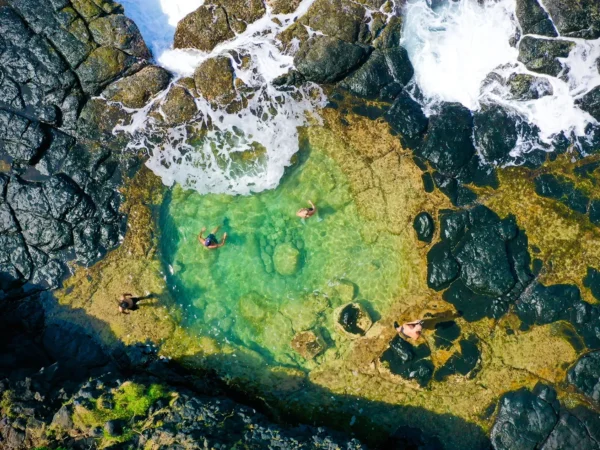
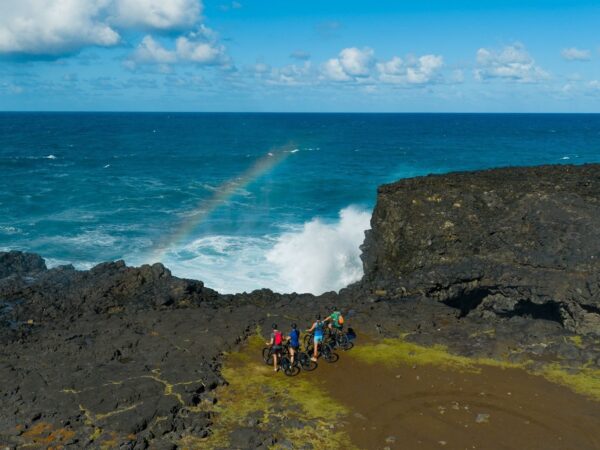
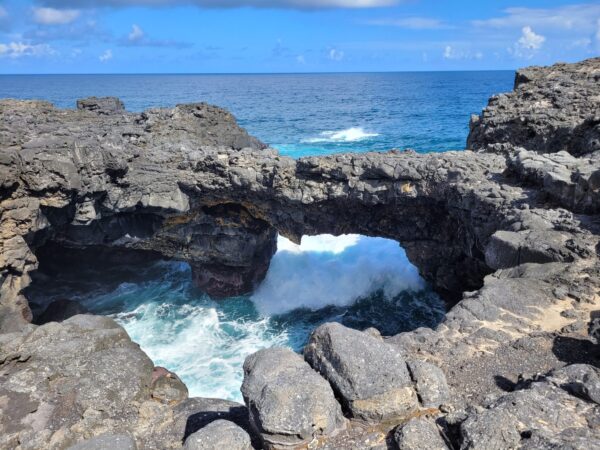
On foot between the Gris Gris cliffs and empty beaches, or by bike: 18 km by electric mountain bike or 15 km along the coast, from Pont Naturel to Le Souffleur (the blowhole).
-
 Wild coast
Hiking the wild south (3 hours)
The cliffs of Gris Gris, basalt coastline and empty beaches: three hours on foot through the wildest part of the south.
€45.00 -
E-bike
E-mountain biking through the wild south (18 km)
18 km by e-bike through the wild south: sugar cane fields, dirt tracks and basalt cliffs facing the Indian Ocean.
€75.00 -
Volcanic cliffs
Mountain biking the wild south coast: Pont Naturel and Le Souffleur (15 km)
15 km along the wild south coast: Pont Naturel, empty beaches and volcanic cliffs pounded by the waves.
€60.00


Jean-Christophe (JC)
Where to stay in the south to get around without rushing
A lagoon-side hotel or a quiet villa: send us your dates and budget on WhatsApp, and we will suggest lodging in the south, between Blue Bay, La Vanille and Le Morne.
FAQ on south Mauritius
The most beautiful part of Mauritius depends on what you call “beautiful.” If you want wilder, more contrasting scenery, the south often leaves more of an impression than the very lively areas, because it offers dramatic terrain and less polished landscapes.
In south Mauritius, you can hike Le Morne Brabant, visit Blue Bay, stop in Mahébourg, see Bois Chéri or Saint Aubin, and plan a visit to La Vanille. It is an area that suits mixed days of nature, heritage and sea.
There is no single best coast, because each area serves a different purpose. The west has most of the departures for open water, the north is livelier, the east is more limited, and the south appeals mostly for its wilder side.
The best place to stay depends on your program. If you want sea and a simple base, Blue Bay or Le Morne work well, while Mahébourg suits you better if you want a practical, more central stopover for the southeast.
Yes, if you want something other than a classic beach stay. The south is worth the trip for its rawer landscapes, its heritage and its simpler routes, while the north leans more toward entertainment and services.
Both exist. Blue Bay and the Bel Ombre lagoon stay calm and suitable for swimming most of the year. The wild south coast of Mauritius between Gris Gris and Riambel, however, is exposed to swell: you walk and admire there, but you do not swim. Check the exact area of your beach before booking, because the south changes a lot within a few kilometers.