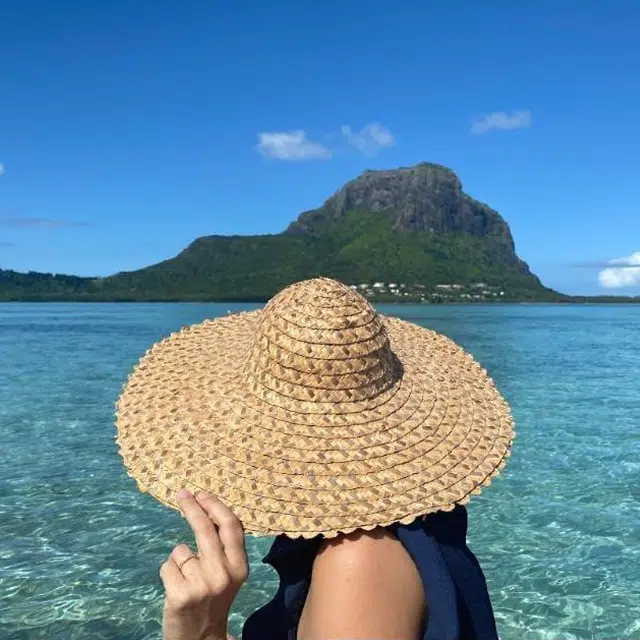
Île au Phare: visiting Île aux Fouquets in Mauritius
Île au Phare (Lighthouse Island), also known as Île aux Fouquets, is a historic islet in Grand Port Bay, in the southeast of Mauritius. It can only be reached by sea and is visited mainly for its lighthouse ruins and coral reef scenery. This page covers where it is, how to approach it and which sites to combine it with.
Visit Île au Phare in Mauritius
Book your activities and your stay around Île au Phare with us: contact us on WhatsApp and we will organize the rest.

Île au Phare, sentinel of Grand Port Bay
In Grand Port Bay, in the east of Mauritius, Île au Phare is also called Île aux Fouquets. This small rocky islet sits on a coral reef, is uninhabited and lies off Mahébourg, and its historic lighthouse marks a protected seascape.
The name Île au Phare refers here to this specific site in the bay, best treated as a short cultural stop rather than a developed island. We can help you find a suitable trip and organize the booking over WhatsApp, depending on the departure point and the planned program.
Île au Phare at a glance
- 🏷️ Two names for the same islet: Île au Phare and Île aux Fouquets.
- 🗼 Lighthouse built in 1865, listed as national heritage, with a range of 26 km.
- ⚓ Next to Île de la Passe, where the Battle of Grand Port took place in 1810.
- 🚤 Reached only by sea, from several points on the southeast coast.
- 🏞️ Uninhabited islet, part of Mauritius’s national park network.
Choosing your departure and reaching the islet by sea

Île au Phare can only be reached by sea, with departures generally offered from Blue Bay, Mahébourg or Trou d’Eau Douce.
The choice depends mostly on where you are staying and how the trip is organized. The length varies with the boat, the weather and the planned stops.
| Departure point | Access and comfort | Approximate duration and profile |
|---|---|---|
| Blue Bay | Boarding by sea; comfort depends on the boat and sea conditions. | Time varies, practical for travelers already based in the southeast. |
| Mahébourg | Departure by sea from the historic Grand Port area. | Time varies, suited to a day combining a town visit and an excursion. |
| Trou d’Eau Douce | Departure by sea included in some east coast programs. | Time varies with the boat itinerary you book. |
To place the first two departure points on the map, see our pages on Mahébourg and Blue Bay. Landing is not automatic, because getting close to the rocks depends on the sea, the boat and the safety level chosen.
The lighthouse and the memory of Grand Port

The Île aux Fouquets lighthouse dates from 1865 and guided boats heading for Mahébourg. Its height is given as 26 meters, while its historic range reaches 26 kilometers. Listed as national heritage, it is now abandoned and in ruins, and its top can no longer be reached.
The island also recalls the Battle of Grand Port, fought from August 20 to 25, 1810, over six days, around neighboring Île de la Passe. This naval victory for the Napoleonic imperial navy gives the ruins a link to the military and maritime history of the bay.
What you will see around the ruins

Île aux Fouquets is a very small rocky islet sitting on a coral reef. Its national park status, the fact that nobody lives there and its closeness to Îlot Vacoas and Île de la Passe give the stop some ecotourism appeal, with no museum-style facilities and no permanent life on site.
From the boat you mostly see the rocks, the ruins, the barrier reef and the neighboring islets. Landing is done from the water onto rocky ground, depending on conditions on the day. Morning light shows the shapes better, while sun protection stays essential.
JC’s tip
A common trap is to assume that a small islet means an easy landing. On a rocky islet of less than three hectares, I advise you to ask before boarding whether you will really be able to set foot on land, and to keep protective shoes on even for a short stop.
How a trip works on site

A trip on site follows several stages, from the meeting at sea to the return, with a landing that depends on conditions on the day.
From shore to open water
You meet on the southeast coast, at Blue Bay, Mahébourg or Trou d’Eau Douce depending on the package. Before boarding, separate the crossing time from the time actually spent on the islet, because a shared trip, a private boat and the 5 islands circuit do not work the same way.
Approach and landing
The boat approaches the rocky edge as close as the sea, the type of boat and the room to maneuver allow. Once near the ruins, move carefully and do not climb on the fragile parts. When landing is not possible, watching from the water is the planned alternative.
Time on the island and return
Time on site is for photos, looking at the lighthouse and understanding the heritage of Grand Port. A guided trip adds historical explanations and approach instructions compared with an unguided one. The return then fits into the circuit booked, with other stops possible depending on the weather and the exact program.
What to bring
For this uninhabited islet, get your equipment ready and ask about landing conditions before boarding.
The essentials before departure
- Closed shoes or water shoes with a protective sole for the rocks.
- Sun protection, a hat and clothes that cover your skin suited to a boat trip.
- Plenty of water, as the islet has no residents or services.
- A phone protected from water splashes for photos.
- Respect for the protected areas: do not move stones or touch the ruins.
- Ask whether fins, mask and snorkel are included in the program you book.
Families, older travelers and limited mobility
| Profile | Main precaution | Our advice |
|---|---|---|
| Child | Close supervision during the approach and on the rocks. | Choose to land only if the sea is calm and supervision is suitable. |
| Older traveler | Help needed when boarding and moving through the water. | Choose a program that lets you stay on board. |
| Person with reduced mobility | The rocky ground and the landing may limit access to the ruins. | Ask specifically whether watching from the boat is possible. |
When to go and which neighboring sites to combine it with

Season and time of day
From January to March, the southern summer brings heat, humidity and cyclone risk: the weather can limit sailing comfort and the availability of trips. Choose this period only if the operator confirms the departure and the approach to the lighthouse island. April and May are a transition period, so compare sea conditions and the trips actually offered before booking.
From June to September, the southern winter is described as dry and mild, but sailing comfort and trip availability need checking with the operator. From October to December the heat returns. Over Christmas and New Year, book earlier, especially for the most popular programs.
Choose the morning to limit the heat and enjoy a more comfortable trip. Skip the trip if the operator announces conditions that rule out the approach, even if the general weather looks good.
Three budgets to plan for
For Île au Phare, the price depends mainly on the package: a shared trip, a private boat or a day combined with Mahébourg and Blue Bay. Before booking, ask for the number of stops, whether you can land, the meal, the snorkeling equipment and the cancellation terms.
Combining the islet with Mahébourg or Blue Bay
Plan the islet in the morning, then lunch or a stroll in Mahébourg. Depending on the itinerary and the state of the sea, carry on to Blue Bay or Île aux Aigrettes. If landing turns out to be impossible, keep a land visit to Mahébourg or a view from the boat as an alternative. We can check what is included, the departure point and the cancellation terms before you book.
Île au Phare: the name and where it is

In Mauritius, the name Île au Phare refers to the site also called Île aux Fouquets, in Grand Port Bay, in the east of the main island.
Its coordinates are 20° 23′ 44″ S and 57° 46′ 39″ E. The islet is rocky, uninhabited, set on a coral reef and next to Vacoas and Île de la Passe. Its national park status adds to the heritage interest of the place, but does not make the ruins a monument you can visit like a museum. The sea is the only way in.
Our boat trips and Île aux Aigrettes
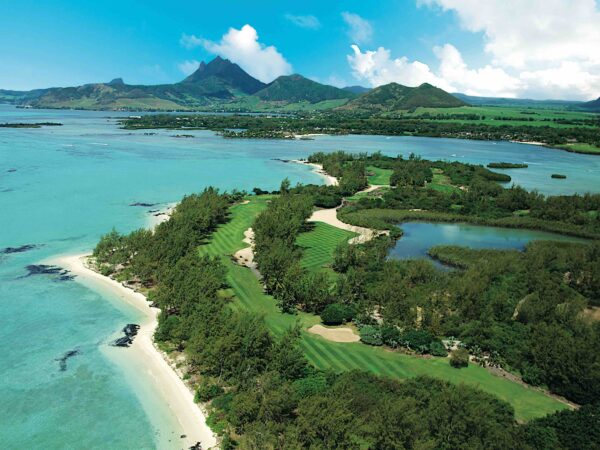
A day on a private boat around the eastern islands, or the Île aux Aigrettes reserve on an eco-tour or alongside the conservation teams.
-
 Private boat
Full day on a private boat around the eastern islands
Your own boat and skipper for the day in the island’s largest lagoon: the eastern islands, snorkeling and a beach barbecue.
€380.00 / day -
Nature reserve
Eco-tour of Île aux Aigrettes (2 hours)
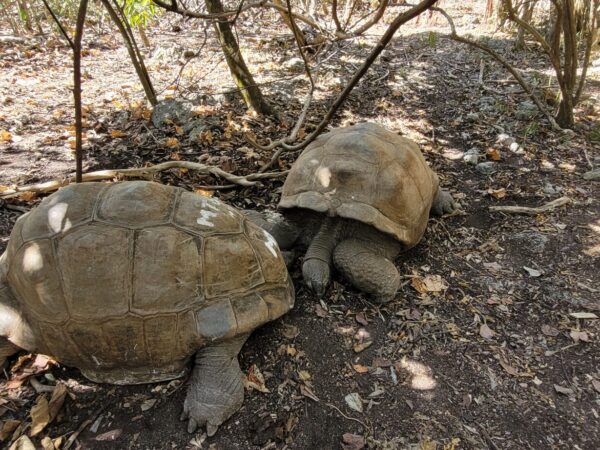
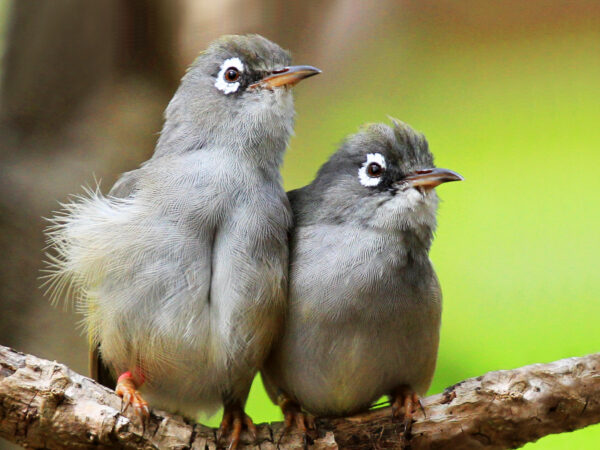
A guided tour of the Île aux Aigrettes nature reserve: giant tortoises, endemic birds and protected coastal forest.
€20.00 -
Hands-on
Conservationist for a day on Île aux Aigrettes
A day alongside the conservation teams on Île aux Aigrettes, picnic included, for up to 5 people.
€140.00 / day

Agnès
Reaching the lighthouse ruins, off Mahébourg
The islet can only be reached by boat: tell us your date, the number of passengers and your hotel on WhatsApp, and we will book the trip in Grand Port Bay.
FAQ: Île au Phare
For heritage and ruins, choose Île au Phare. For a beach or a swim, choose a site better suited to it.
If you are after history and a rocky seascape, choose Île au Phare. If you mainly want to swim or enjoy a beach, choose an island or a seaside site. Île au Phare is for people who appreciate a historic lighthouse and the memory of Grand Port.
There is not necessarily a single official list of the 5 islands of Mauritius to visit. The line-up varies with the operator and the circuit program, which may combine several islets in the southeast.
Ask for the exact list of stops: choose this circuit if you want a short trip with several sites, favor Île au Phare if heritage is your priority, and check there is a site suited to swimming if that is your aim.
In Mauritius, Île aux Fouquets is also called Île au Phare. Its lighthouse, built in 1865, guided boats toward Mahébourg and is now the islet’s main historic landmark.
It can be worth it for a trip centered on heritage, the ruins and the scenery of Grand Port Bay. It is not the right choice if you want a developed island, a long swim or a visit inside the lighthouse.
Choose a private boat or a program that clearly separates sailing time from time on the islet. To limit tiredness, ask whether you can watch the ruins from the water and do not treat landing as essential.
The sea can change the departure or stop the approach to the rocks. The program may then include another stop, a view from the boat or a land visit to Mahébourg, depending on conditions and the booking rules.