The Mascarene Islands: Mauritius, Réunion and Rodrigues
A short guide to the history, geography and highlights of the Mascarene Islands: Mauritius, Réunion and Rodrigues.
About the Mascarene Islands
You can see the multicultural heritage of the Mascarenes in Mauritius, too. Message us on WhatsApp with your dates and what interests you, and we will plan the visits.
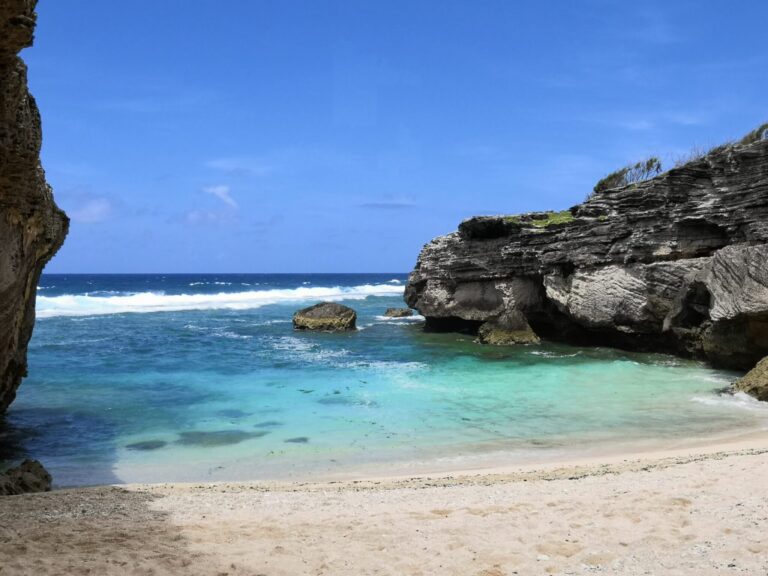
Three islands in the Indian Ocean
The Mascarene archipelago, in the Indian Ocean, is a natural treasure.
Formed millions of years ago by volcanic activity over the Réunion hotspot, it has three main islands: Réunion, Mauritius and Rodrigues. The Seychelles, Madagascar, Mayotte and the Comoros lie nearby.
Each island has its own scenery and a rich culture, and each is worth the trip.
Want to know more about Mauritius? Start on our home page.
A short history and geography of the Mascarenes
History of the Mascarenes
Uninhabited islands, then first contact
Before European sailors arrived, the Mascarenes were uninhabited. Covered in lush forest and home to wildlife found nowhere else, the islands were known to Arab sailors as early as the Middle Ages. Real exploration began with the Portuguese in the early 16th century.
The navigator Pedro Mascarenhas, who gave the archipelago its name, visited in 1512. At that time the islands served mainly as a stopover for European ships on their way to the Indies.
The first European colonies
The Portuguese did not settle the Mascarenes. The Dutch settled on Mauritius in the 17th century and named it after Prince Maurice of Nassau. They introduced plants such as sugarcane, but left because of the harsh conditions.
In the 18th century the French took control of the islands. They renamed Mauritius Île de France, turned it into a strategic base and developed Rodrigues and Réunion. In the 19th century the British took Mauritius and Rodrigues, while Réunion stayed French.
A multicultural heritage
Colonial history shaped a rich and varied society. European, African, Indian and Chinese influences show in the languages, traditions and cooking of the islands.
Geography of the Mascarenes
Volcanic origins
The Mascarenes were formed millions of years ago by undersea volcanic activity. The geology of each island still reflects that origin.
- Réunion: Still active, it is home to Piton de la Fournaise, one of the best-known volcanoes in the world.
- Mauritius: Its volcanic activity has stopped, but it has landmark mountains such as Le Morne Brabant.
- Rodrigues: Surrounded by coral reefs, it bears witness to its geological history.
A tropical climate
The Mascarenes have a warm tropical climate with two main seasons:
- Southern summer (November to April): Hot and humid, with the occasional cyclone.
- Southern winter (May to October): Cooler and drier, the best season for sightseeing and activities.
Outstanding biodiversity
Because the Mascarenes are so isolated, they developed wildlife found nowhere else. But non-native species introduced during colonization put some native species at risk. The saddest and best-known example is the dodo, the emblem of Mauritius, now extinct.
1. Mauritius: lagoons and a blend of cultures
Beautiful beaches
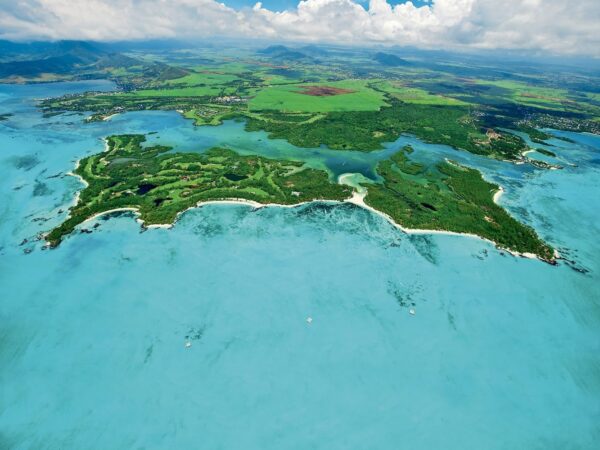
The island of Mauritius is known for its pristine beaches lined with palm trees and its turquoise lagoons. Among the best known are Trou aux Biches, Belle Mare and Le Morne, good places to relax or try water sports such as snorkeling and scuba diving.
A cultural melting pot
Mauritius shows how different cultures can live side by side. Shaped by Indian, African, European and Chinese roots, Mauritian culture is lively and varied. You see it in the colorful festivals, such as Diwali and Chinese New Year, and in the language, where Creole sits alongside French and English.
Places worth seeing
- Pamplemousses Botanical Garden: A place to see exotic plants.
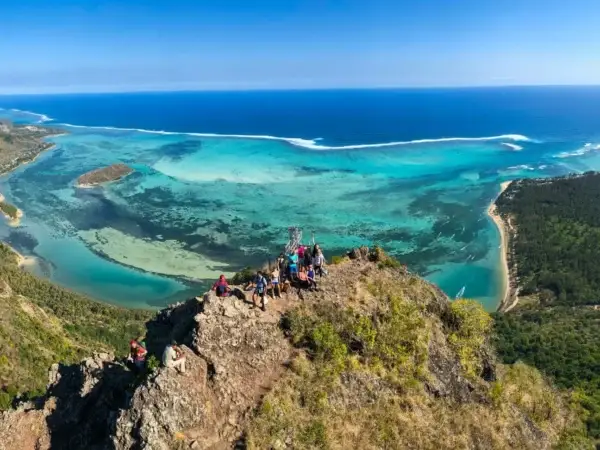
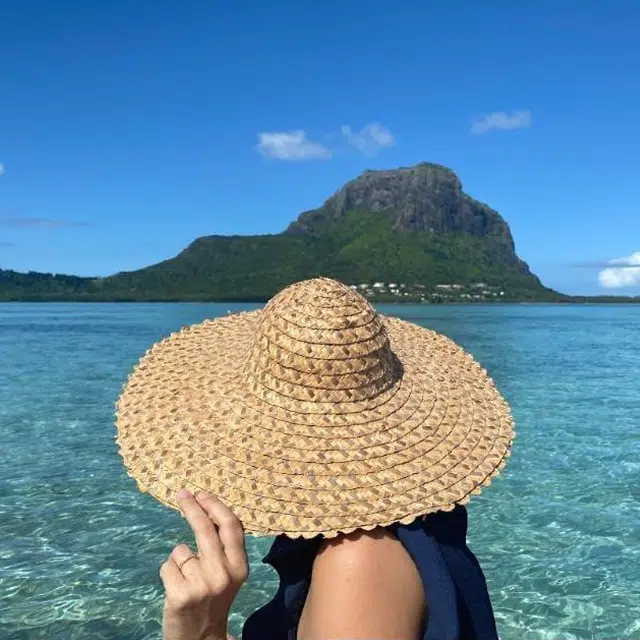
- Le Morne Brabant: A UNESCO World Heritage mountain, a symbol of resistance and freedom.
- Port Louis: The busy capital, with its local market and the well-known Caudan Waterfront.
2. Réunion: an island of contrasts
A dramatic volcanic island
Réunion has a varied topography, from black sand beaches to steep mountains. The island is known for its striking scenery, dominated by Piton de la Fournaise, an active volcano that fascinates scientists and tourists alike. Hikers can walk its trails and watch eruptions safely.
Spectacular cirques
The cirques of Mafate, Cilaos and Salazie are remarkable geological formations, ideal for trekking. Each has its own character, from the isolated villages of Mafate to the lush waterfalls of Salazie.
A rich culture
As an overseas department of France, Réunion blends European and Creole influences. Local dishes such as rougail saucisse are worth trying.
Places worth seeing
- Piton des Neiges: The island’s highest point, with exceptional views.
- Saint-Paul market: A good place to find local produce and crafts.
- Takamaka waterfalls: A dramatic natural sight.
3. Rodrigues: the island few visitors know
An unspoiled island
At only 108 km² (42 sq mi), Rodrigues is the smallest and most remote of the Mascarenes. Its wild beaches, clear lagoons and quiet pace of life appeal to travelers looking for calm.
Authentic island life
Unlike its more developed neighbors, Rodrigues feels authentic from the moment you arrive. The people, known for their warm welcome, readily share their culture and traditions.
Outdoors and wildlife
Rodrigues is ideal for nature lovers. You can hike, visit limestone caves such as the bat cave, or watch the endemic wildlife and plants.
Places worth seeing
- Île aux 2 Cocos: A nature reserve with colonies of seabirds.
- Coral reefs: Perfect for snorkeling and scuba diving.
- Traditional dishes: Octopus broth is a tasty local specialty.
Whether you love nature, history or food, the Mascarenes will win you over.
Start planning your trip to the Mascarenes.

Jean-Christophe (JC)
You can contact us directly on WhatsApp to organize all your excursions in Mauritius
After the history of the Mascarenes, let’s plan your stay in Mauritius
Combining Mauritius with Réunion or Rodrigues? Send us your Mauritius dates on WhatsApp and we will organize that part of the trip, from the hotel to the excursions.
Mascarene Islands FAQ
The Mascarene archipelago is a group of volcanic islands in the Indian Ocean. It has three main islands: Mauritius, Réunion and Rodrigues. They are known for their scenery, wildlife and rich culture.
The Mascarene Islands are named after the Portuguese navigator Pedro Mascarenhas, who visited them in the 16th century.
Rodrigues lies east of Réunion, but the closest island geographically is Mauritius, about 200 kilometers (125 miles) away.
Three activities to book in Mauritius
The northern islands by catamaran, the climb up Le Morne Brabant and the Tamarind Falls hike (the 7 Cascades).
-
 Shared catamaran
Day trip to the 3 northern islands on a shared catamaran
A day by catamaran to Coin de Mire, Flat Island and Gabriel Island, in good company, lunch included.
€75.00 / day -
UNESCO summit
Le Morne Brabant hike (4 hours)
The climb up Le Morne Brabant, a UNESCO site, to the summit and its view over the southwest lagoon, with a certified guide.
€45.00 -
The classic
Tamarind Falls hike (3 hours)
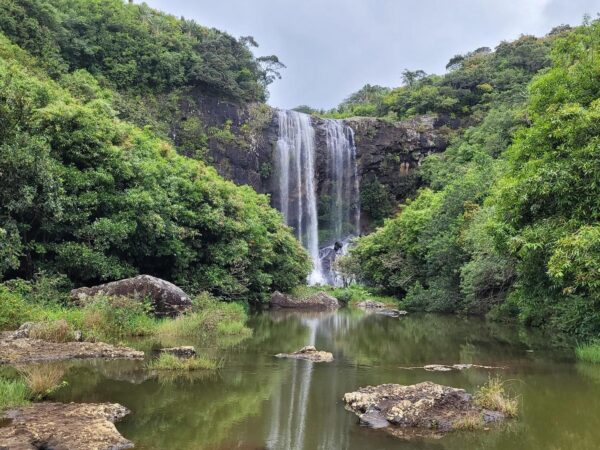
The island’s best-known hike, to Tamarind Falls, in a small group, with a swim in the natural pools.
€39.00