Scuba Diving in Mauritius: Top 7 Dive Sites
See the 7 best scuba diving sites in Mauritius, with all our practical advice for planning a great dive.
Dive trips in Mauritius
Already certified, or diving for the first time? Tell us on WhatsApp which area your hotel is in, and we will suggest a dive at your level from the sites below.

Scuba diving in Mauritius: what to expect underwater
Mauritius is known for its white-sand beaches and tropical climate, but its underwater world is just as good.
Divers come from all over the world for the colorful coral reefs, the abundant marine life and a choice of dive sites that suit beginners and experienced divers alike.
The best dive sites in Mauritius
Mauritius has a wide choice of dive sites, and divers travel from around the world to try them.
Each site has its own character, from historic wrecks to encounters with sharks and other marine life.
Here is a rundown of the main sites and what they offer.
The Stella Maru wreck
The Stella Maru is a Japanese wreck, sunk on purpose in the 1980s off the north coast, near Trou aux Biches. It lies at a depth of about 25 meters and has become a refuge for a wide variety of marine life.
Divers can see groupers, parrotfish, barracudas and even rays. The ship itself is fascinating to swim around, with parts of the deck and the holds still well preserved.
- Main appeal: a wreck dive with plenty of marine life.
- Requirements: suitable for intermediate divers.
The Hoi Siong wreck
This second wreck, a trawler also sunk on purpose in 2003, lies off Le Morne on the west of the island. It is a good site for divers who like a bit of history with their dive.
Today the wreck is covered in coral and is home to tropical fish, as well as groupers and moray eels. Visibility in the area is usually excellent, so it is also a good site for underwater photography.
- Main appeal: a more recent wreck, well preserved, with a good variety of marine life.
- Requirements: intermediate level required.
Trou Moutou
Trou Moutou, off the southeast coast, is one of the most popular dive sites for intermediate to advanced divers. Rock formations, caves and crevices shelter plenty of marine life.
Divers can see moray eels, stingrays and, now and then, reef sharks. Soft and hard corals are plentiful too, which makes it a favorite with anyone interested in marine biodiversity.
- Main appeal: sculpted underwater scenery and wildlife hiding in the caves.
- Requirements: intermediate to advanced level.
La Cathédrale
Off Flic en Flac, on the west coast, this site is known for its dramatic rock formations, with caverns and arches that give it the look of an underwater cathedral. The depth ranges from 18 to 30 meters, which suits intermediate to advanced divers.
La Cathédrale is home to many tropical fish, rays and sometimes reef sharks. It is also popular for underwater photography.
- Main appeal: outstanding underwater rock structures and great spots for photography.
- Requirements: intermediate level; moderate currents are possible.
Coin de Mire
Coin de Mire is another spectacular site off the north coast of Mauritius, next to the island of the same name. It is a deep dive, with underwater cliffs and caverns to swim through.
The site is good for spotting larger species such as eagle rays, reef sharks and, now and then, sea turtles. The coral formations are rich too, and attract plenty of colorful tropical fish.
- Main appeal: big marine species and dramatic underwater cliffs.
- Requirements: intermediate to advanced level.
Blue Bay Marine Park
Blue Bay suits everyone, especially beginner divers. This protected marine park in the southeast of the island is a good place for shallow dives.
Its coral reefs are among the richest on the island, with plenty of tropical fish such as parrotfish, clownfish and, now and then, sea turtles. Visibility is usually excellent, and the calm, sheltered water is a good place to try diving for the first time.
- Main appeal: suitable for beginners, with rich marine life and colorful reefs.
- Requirements: no previous experience needed, easy dive.
Shark safari
A shark safari is a thrill for divers who want a bit of adrenaline. These dives mostly take place in deeper water around the outer reefs, or near certain sites on the island, particularly on the north and west coasts.
Divers can see several species of shark up close, such as reef sharks, blacktip sharks and, now and then, the impressive bull sharks. These dives often call for an advanced level because of the depth and the stronger currents.
- Main appeal: meeting sharks in their natural habitat.
- Requirements: advanced diving experience and the ability to cope with strong currents.
Practical information for diving in Mauritius
Ideal diving conditions
Mauritius has good diving conditions all year round, with water temperatures between 23°C and 28°C depending on the season.
Underwater visibility is excellent, often more than 20 meters, so you can see the marine life clearly.
A barrier reef surrounds the island and protects its lagoons, creating calm areas where even new divers feel comfortable.
Remarkable marine life
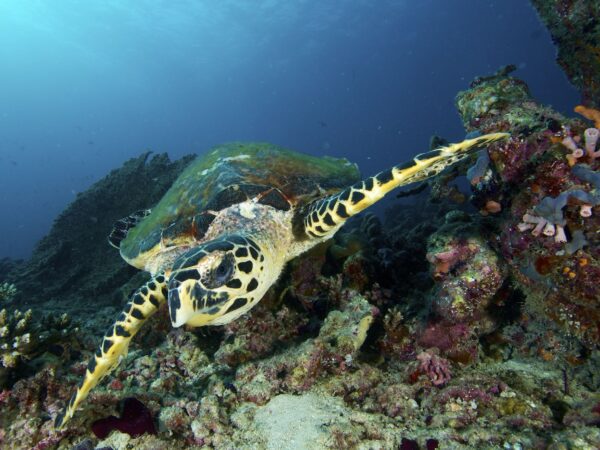
The waters of Mauritius are rich in marine life. As well as the hard and soft corals that make up the seascape, you can see many tropical fish, sea turtles, rays and, in certain places, even dolphins or sharks.
The west coast is also known for trips to watch humpback whales during their seasonal migration, and sperm whales all year round.
Dives for every level
Whether you are a beginner or an expert, Mauritius has dives to suit you. There are plenty of local dive centers, offering PADI or CMAS certified courses as well as guided dives with professional instructors.
If you have never dived, a try dive in the calm, shallow water is an easy way in.
Respecting the environment
Protecting marine ecosystems is a major concern for local dive operators in Mauritius.
Local operators work hard to make divers aware of how important it is to respect coral reefs and marine life. There are also conservation projects, notably to fight coral bleaching and protect endangered species.
Agnès and JC’s tip:
Plan your dives for the start of your stay: it is strongly advised not to dive within 24 hours of your flight, to avoid decompression sickness.
Final thoughts
Mauritius is a great choice for scuba diving, with sites for every level and every taste.
Whether you want to meet sharks, dive historic wrecks or swim over lush coral reefs, each site has its own character.
So pull on your wetsuit, adjust your mask and get in the water!

Jean-Christophe (JC)
Stella Maru or Hoi Siong: choose the wreck for your next dive
Send us your dates, the number of divers and your certification level on WhatsApp, and we will book the trip with a local dive center.
Scuba diving in Mauritius: FAQ
When is the best time to dive in Mauritius?
You can dive in Mauritius all year round thanks to the tropical climate. The best time is between November and April, when the water is warmest (up to 28°C) and visibility is excellent.
What level do you need to dive in Mauritius?
Mauritius has dive sites for every level, from beginners to experienced divers. Beginners can book a try dive or take a PADI Open Water certification. More experienced divers can tackle more demanding sites, such as wrecks and deep dives.
Which marine species can you see in Mauritius?
Mauritian waters are home to a wide range of marine life: tropical fish (parrotfish, clownfish), sea turtles, rays, reef sharks, moray eels, and even dolphins and whales at certain times of year.
Are there any wrecks worth diving?
Yes, there are several wrecks off Mauritius. The most popular are the Stella Maru and the Hoi Siong, which have become homes for many marine species and make interesting dives for advanced divers.
Are the dive centers in Mauritius certified?
Yes, most dive centers in Mauritius are certified PADI or CMAS. They follow international safety standards and run courses at every level, as well as guided dives with qualified instructors.
Can I dive with no experience?
Yes, you can do a try dive, an introductory dive led by an instructor. You do not need a certificate, and you can explore the seabed in shallow, safe water.
Do you need to be able to swim to dive?
Yes, being able to swim is essential for scuba diving. Your swimming is usually assessed before a PADI course begins.
Is diving safe?
Yes, diving in Mauritius follows strict safety standards. Local instructors are well trained and the equipment meets international standards. Beginner sites are chosen for their calm water and weak currents.
Want to snorkel between dives?
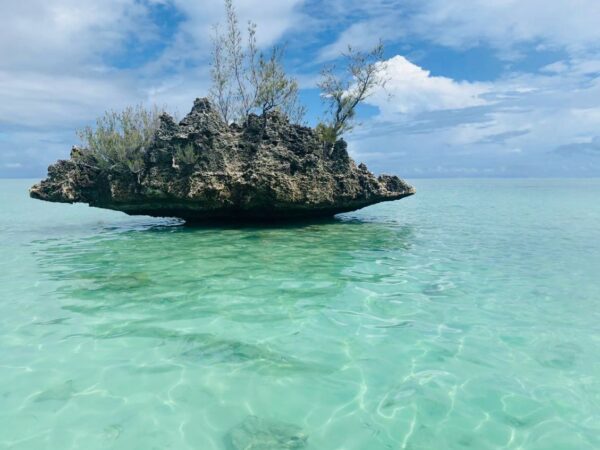
Sea turtles at Gabriel Island, Crystal Rock or the reefs of the north: three trips with mask and snorkel, no tank.
-
 Sea turtles
Snorkeling with sea turtles at Gabriel Island
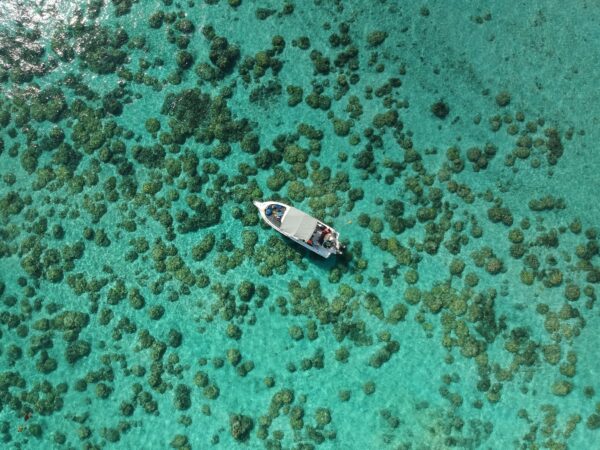
A private speedboat trip to Gabriel Island to swim with sea turtles, recommended from age 6.
€230.00 / day -
Private boat
Snorkeling by private boat at Crystal Rock and Île aux Bénitiers
A private boat from Black River, at sunrise or sunset: Crystal Rock, Île aux Bénitiers and several snorkeling stops.
€260.00 / day -
Beginners welcome
Snorkeling on the northern coral reefs
Two hours of snorkeling on the northern reefs, suitable for beginners, equipment provided.
€50.00