Mauritius road trip: itineraries of 5, 7, 10 or 15 days
A Mauritius road trip itinerary lets you combine beaches, mountains, markets and villages without changing hotels every night. How well the trip works depends mostly on the number of nights and the bases you choose: a 5-day stay isn’t built like a full loop in 15 days. In this article, we suggest an itinerary for each length of stay, a day-by-day 10-day plan, and then our tips for where to sleep, how to get around and how to keep your budget under control.
Mauritius road trip: we map the route around your nights
Beaches, mountains, markets and villages: tell us on WhatsApp how many nights you have and what you want to see, and we will suggest a route with one or two bases.
Mauritius road trip at a glance
- 🚗 A good road trip usually needs at least 8 to 10 days to cover several regions without rushing.
- 🗓️ With 5 days, stick to the north and west; with 7 days, combine the north and southwest; with 10 days, add the east coast.
- ☀️ From November to April, temperatures run between 81 and 91°F (27 and 33°C), with more noticeable heat and humidity.
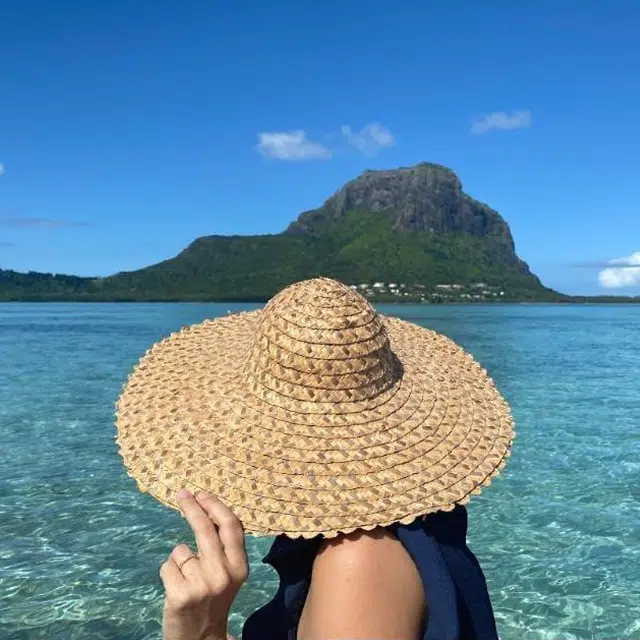
- ⛰️ Le Morne Brabant is an essential stop on a Mauritius road trip.
- 🚤 A catamaran trip to the three northern islands leaves from Grand Baie and is a widely recommended activity.
How many days do you need for a road trip in Mauritius?

A road trip in Mauritius starts to feel comfortable at 8 to 10 days, because that gives you time to link the north, west, southwest and east without back-to-back transfers. You can visit the island all year, but a short trip means giving up some regions rather than trying to see everything.
With five days, pick two areas rather than a full loop. With a week, you can alternate between the north and the southwest. Fifteen days suit travelers who want to add slow days, boat trips and several beaches without long detours every day.
Which itinerary for how long?

The usual trip lengths differ mainly in pace and in how many regions you can cover. The table below sums up the combinations that work best.
| Duration | Itinerary | Suggested bases |
|---|---|---|
| 5 days | North and west | Grand Baie, then Flic en Flac or the west coast |
| 7 days | North and southwest | Grand Baie, then Le Morne or Flic en Flac |
| 10 days | North, southwest and east | Grand Baie, Le Morne or Flic en Flac, then Belle Mare |
| 15 days | Full loop with free days | North, southwest and east, with beach and sea days |
5-day itinerary
For five days, build a compact itinerary around two bases. Three nights in Grand Baie let you visit Cap Malheureux, Pamplemousses and Port Louis, while two nights on the west coast, between Flic en Flac and Le Morne, give you access to Chamarel and the southwest beaches. This works if you are happy to skip the east of the island and book only a few boat trips.
7-day itinerary
With seven days, you can add a real beach day or an offshore trip. For example, keep three nights in the north, then settle near Flic en Flac or Le Morne for the rest of the stay. Avoid staying in three distant areas if rest is your priority: luggage and driving time quickly eat up half a day.
10-day itinerary
With eight to ten days, you can spread the regions out more comfortably. One example is three nights in Grand Baie, three in the southwest and three in the east, with a buffer day for the weather. You can then fit in the trip to the three northern islands, the Le Morne Brabant hike and Île aux Cerfs without turning every day into a race. The detailed plan for this version is in the next section.
15-day itinerary
Fifteen days let you keep some mornings free, go back to a beach you liked and change the order of visits depending on the sea or the showers. Start from the 10-day plan and add beach days, an Île aux Cerfs trip or a stay on Rodrigues. From the north, Château de Labourdonnais, a 19th-century residence, can round out a calmer day on land.
10-day itinerary, day by day

This plan is built zone by zone : you avoid covering the same roads several times and get more time at each stop. Four areas shape it: the north, Port Louis and Pamplemousses, the southwest, and then the east.
| Day | Plan |
|---|---|
| J1 | Arrival and check-in in Grand Baie. Get used to the car on a short drive, then finish the day at the lagoon. |
| J2 | Short loop to Cap Malheureux for the red-roofed church, then the Pamplemousses garden and its water lily pond. |
| J3 | Port Louis in the morning, with the Central Market and Aapravasi Ghat, a UNESCO World Heritage site, then back to Grand Baie for the evening. |
| J4 | Catamaran trip to the three northern islands from Grand Baie beach, with a barbecue lunch and drinks included. |
| J5 | Transfer to the southwest, check in near Le Morne or Flic en Flac, then watch the sunset on the west coast. |
| J6 | Guided Le Morne Brabant hike in the morning, about 3 to 4 hours round trip, then an afternoon on the beach facing the mountain. |
| J7 | Chamarel, the Seven Colored Earths and Black River Gorges National Park. |
| J8 | Transfer to the east coast, shopping in Flacq, then check in at Belle Mare. |
| J9 | Day trip to Île aux Cerfs from Trou d’Eau Douce, with most of the day on the lagoon. |
| J10 | Free morning on Belle Mare beach, then the drive to the airport. |
Days 6 and 7 group places that belong to the same southwest area: leave early, do Le Morne first and keep Black River Gorges for later in the plan. Le Morne reaches 556 meters (1,824 feet), and the second half of the trail is technical, with a few scrambling sections: this hike suits walkers with good shoes, not travelers who want an easy family stroll.
Book ahead the activities that take a full day or depend on the sea: the trip to the three northern islands from Grand Baie, Île aux Cerfs from Trou d’Eau Douce and the trips to Île aux Aigrettes from the Pointe Jérôme dock. Schedule them early or midway through your stay, so you keep some slack if the weather or your energy forces a change of plan.
Want to avoid losing half a day in transfers? We build your itinerary around your hotel, your dates and the excursions you want.
JC’s tip
I recommend not combining the full Le Morne Brabant hike with a long loop to Chamarel on the same day. The guided climb takes about 3 to 4 hours round trip, and the descent still demands attention. Save Chamarel for the next day if the summit is your priority.
Where to stay to cut down on driving?

To limit driving, choose two or three bases rather than a different hotel every night. The north, east and southwest suit different uses: boat trips and nightlife in the north, calmer beaches in the east, scenery and hikes in the southwest.
The north for the first nights
Grand Baie is a good choice to start a road trip, especially if you want to see Cap Malheureux, Pamplemousses and Port Louis without repacking. The Grand Baie lagoon and the departures to the northern islands also make several nights here worthwhile.
This part of the island suits couples, families and travelers who like restaurants, services and a livelier atmosphere. It is less suited to those who want an isolated, quiet stay built around the long beaches of the east.
The east for calmer stays
Belle Mare and Trou d’Eau Douce suit a more relaxed end to a trip, with lagoons and hotels or villas facing the sea. This coast takes more planning for meals, shopping and evenings, because the choice is more limited than around Grand Baie or Flic en Flac.
| Location | Best for | Drawback to plan for |
|---|---|---|
| Belle Mare | Beach, resort, rest, and a stay as a couple or family. | Plan your grocery shopping before you get to your lodging. |
| Trou d’Eau Douce | A convenient starting point for a trip to Île aux Cerfs. | A trip to Île aux Cerfs takes up a good part of the day. |
| Flacq | Shopping for several days on the east coast. | The town is more for errands than for a vacation evening. |
The southwest for covering ground without zigzagging
The southwest is an excellent choice for travelers who want to string together scenery, hiking and wild coastline without crossing the island every morning.
- Le Morne stays close for a hike or a beach day facing the mountain.
- Chamarel fits into the same part of the trip without going back north.
- Black River Gorges National Park combines naturally with the other visits in the area.
- The west coast has many departure points for boat trips out to sea, which makes it easy to add a boat day.
We can help you choose between a beachfront resort, a villa with hotel services or a chain of several stays, depending on the route you have in mind. The right place to stay depends mostly on the activities you really want to do, not just the beach in front of your room.
How do you get around?

A road trip in Mauritius works well by car, as long as you accept careful driving, roads that are sometimes slower than expected and deliberately limited stops. A car takes you to beaches and everyday scenes that locals and travelers share, beyond the tourist areas. Asking for directions or checking a detail is usually easy.
- Choose the car to keep your own schedule and reach the wild south, Le Morne or Belle Mare without relying on buses.
- Prefer a taxi or a driver for a one-off day in Port Louis, for an offshore trip, or if you don’t want to drive on the left.
- Schedule outdoor activities in the morning and avoid cramming a market, a hike and a long drive into a single day.
Driving on the left takes a real adjustment period, especially at your first intersections, parking lot exits and turns. For a first drive, avoid picking up the car at the airport and heading straight for Grand Baie at rush hour.
If you arrive in the morning, take the time to sort out the rental, check the position of the steering wheel and drive a short distance before getting on the M2. Roundabouts need particular attention: you drive on the left and must yield to vehicles already in the circle. Official travel advisories give speed limits of 40 km/h (25 mph) in built-up areas, 80 km/h (50 mph) on country roads and 110 km/h (68 mph) on highways. Check with your rental company which driver’s licenses it accepts.
Drive with extra care in built-up areas, on the central plateau roads and in the hilly parts of the southwest. Official travel advisories describe a decent road network but signage and lighting that are sometimes inadequate, as well as pedestrians and stray animals on the road, especially at night. The legal tolerance for drinking and driving is zero. Roads near Le Morne, Chamarel and Black River Gorges call for a slower, careful speed, especially after rain or late in the day.
Don’t let a tight schedule dictate how you drive. Treat the time shown by your navigation app as a baseline, not a promise: village crossings and photo stops quickly stretch a day. A beach can take longer than planned, a Mauritian lunch can run long, and a shower can change the order of visits. Leave a daily margin, especially during the hot, humid season.
When to go for a road trip in Mauritius

A road trip in Mauritius is planned differently depending on whether you travel in the southern summer, from November to April, or the southern winter, from May to October. Both periods let you see the island, but they don’t offer the same comfort for hikes, long days of driving and boat trips.
May to October: dry weather and a steadier sea
From May to October, the weather is generally drier and milder, which makes a trip with several stops easier. The sea often has steadier conditions in this period, with a more manageable swell for trips to the islets or offshore.
This period suits travelers who want to alternate beaches, southwest roads and water activities. Calm lagoons and gentler seas between May and November also give you the best chance of seeing sea turtles.
November to April: heat, humidity and showers
From November to April, the southern summer brings hot, humid days. Temperatures run between 81 and 91°F (27 and 33°C) in this period, which changes how you build the stops.
- Heat makes long hikes more demanding, especially on exposed trails such as Le Morne Brabant.
- Showers can be brief, especially in the late afternoon in December, but they are a good reason to plan flexible days.
- Cyclone risk is concentrated between January and March: avoid building every day around a boat trip that can’t be rescheduled.
This season suits travelers who handle heat well and prefer swimming, hotels with a pool or afternoon downtime. It is less comfortable for those who want to walk for long stretches every day or stack up physical activities.
The best time of day
Morning is the best time to drive, visit a market, start a hike or board a boat trip. Start the activities that take energy early, then slow down in the middle of the day when the heat builds. After lunch, favor some beach time, a break at the hotel, a spa or a short drive. Late afternoon is better for a sunset on the west coast or a dinner than for a long loop by road.
What budget should you plan for a road trip in Mauritius?

The budget for a road trip in Mauritius varies mostly with lodging, the car, meals and the number of excursions you book. Hotel rates, car rental and dining change a lot with the dates and categories you choose: it is better to budget line by line than to work from a single overall figure. The table below helps you compare three ways of building the trip around examples with known prices.
| Scenario | What the trip is made of | Known price |
|---|---|---|
| Beach-focused road trip | Car, lodging, the beaches of Mont Choisy, Trou aux Biches, Belle Mare or Le Morne. | The main costs (car, nights, meals) vary by date: compare using your actual dates. |
| Road trip with a boat trip | A day on a catamaran to the three northern islands from Grand Baie, with a barbecue lunch and drinks. | From €59 in 2026 for this catamaran trip, bookable on our site. |
| Active road trip in the southwest | Guided Le Morne Brabant hike, then Chamarel and Black River Gorges. | The guided hike takes about 3 to 4 hours round trip, and the price depends on the guide you choose. |
The trip to the three northern islands includes a barbecue lunch and drinks, so you don’t need to add a separate meal to that day. It is an especially popular activity with tourists, which can reassure travelers who want to book a boat day from Grand Baie.
Groceries and meals are separate expenses. Plan small, concrete amounts: gas, occasional parking, snacks and bottles of water. A lunch at a small eatery can be a chance to try a dholl puri, a rougaille or gâteaux piments.
Which itinerary for your type of trip?

The best route depends on how you like to travel: some will prefer two hotels and light days, others will want to see more coastline. A sound itinerary respects your energy as much as the distances.
For a couple with a week, combine the lively north with the southwest : Grand Baie offers boat trips, then Le Morne and Chamarel bring a more scenic side. With five days, limit hotel changes: settle in Grand Baie, give a morning to Cap Malheureux and the Pamplemousses garden, then keep a day for a boat trip before finishing on the west coast.
For a family, keep two places to stay and favor short days: beaches, the Pamplemousses garden, the Port Louis market and Île aux Cerfs can be enough to make a varied trip. The pace matters more than the number of sights checked off: after a morning at the market, plan a break at your lodging before getting back on the road. With small children, replace the Le Morne hike with a viewpoint or a shorter walk, and bring a hat, sunscreen and a change of clothes for lagoon days.
For a honeymoon, Belle Mare or Trou d’Eau Douce let you slow down after a few days of sightseeing. Alternate an active day with a slow one: after Chamarel or a boat trip, keep a morning free of early alarms, facing the lagoon, without trying to circle the island at top speed.
For active friends, plan a full day around Le Morne, a boat trip from Grand Baie or the west coast and a hike in Black River Gorges. Avoid stringing together two early starts: fatigue shows up more behind the wheel than in the plan.
JC’s tip
I often see travelers underestimate the descent of Le Morne Brabant after enjoying the view. Take water and proper shoes, and keep your afternoon free after this 3-to-4-hour hike. For a quieter day, look at Le Morne from the shoreline and save the mountain for another trip.
Three stops to book on your itinerary
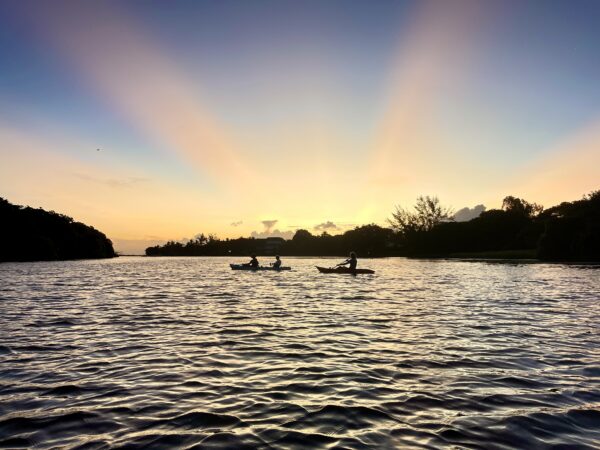
A sunrise kayak trip on the Tamarin River, a day on a catamaran to the northern islands and the full Tamarind Falls hike (the 7 Cascades).
-
 Sunrise
 kayaking on the Tamarin River (1.5 hours)
Sunrise over the Tamarin River, from a kayak, in the quiet of early morning.
€35.00 -
Shared catamaran
Day trip to the 3 northern islands on a shared catamaran
A day by catamaran to Coin de Mire, Flat Island and Gabriel Island, in good company, lunch included.
€75.00 / day -
Experienced hikers
Tamarind Falls: full-day hike for experienced hikers (5 hours)
Every waterfall at Tamarind Falls in one day, for fit walkers: more than 4 hours of walking, swims included.
€65.00



Agnès
Itinerary in hand? Let’s book
Share the route you have chosen and your dates on WhatsApp: we book the rental car, the hotels for each stop and the excursions you want to add.
FAQ about a road trip in Mauritius
Belle Mare, Le Morne, Trou aux Biches and Mont Choisy are often chosen for their beaches and lagoons. The best choice depends on what you want: Belle Mare suits a restful stay on the east coast, while Le Morne combines beach and mountain in the southwest.
Don’t choose from photos alone. Some lagoons are shallow, some areas have dead coral and some beaches are lined with casuarina trees: see several beaches during your stay rather than betting your whole trip on a single place.
There is no month to rule out completely, because Mauritius can be visited all year. Between January and March, though, cyclone risk calls for a more flexible plan, especially for boat trips and long hikes.
From November to April, heat and humidity are more noticeable. This period suits travelers who accept possible showers and schedule physical activities early, and is less comfortable for those who want to walk for several hours every day.
The best road trip in Mauritius usually combines the north, southwest and east over 8 to 10 days. You can include Grand Baie and Cap Malheureux, Port Louis and Pamplemousses, then Le Morne, Chamarel, Black River Gorges and Belle Mare.
The best route isn’t necessarily the one with the most miles. For a seven-day trip, choosing the north and the southwest often gives you a better trip than a full loop done too fast.
Driving around the island can be done in a day, but it isn’t the best way to see Mauritius. The worthwhile stops, markets, beaches, gardens, southwest roads and boat trips all take time on the ground.
Plan at least 8 to 10 days for a good road trip. That length lets you split the trip by region and avoid spending every day on the road.
Renting a car is mainly worth it if you want to visit several regions, reach less central beaches and change your plan with the weather. It gives you more freedom to link Grand Baie, Port Louis, Le Morne, Chamarel and Belle Mare.
A taxi or a driver is often more comfortable for travelers who don’t want to drive on the left, for a single day or for an outing where you won’t need your vehicle afterward. Compare the options by the number of driving days you really plan, not just by the posted price of one day.
You can see Mauritius very well without too much driving if you choose two or three places to stay by region. A stay in the north, followed by a few nights on the west coast or in the southwest, and possibly the east, limits needless backtracking.
To cut driving further, book excursions from your own area: the northern islands from Grand Baie, Île aux Cerfs from Trou d’Eau Douce and the trips to Île aux Aigrettes from Pointe Jérôme. If you plan the guided Le Morne Brabant hike, stay nearby too, since an early start is better.